
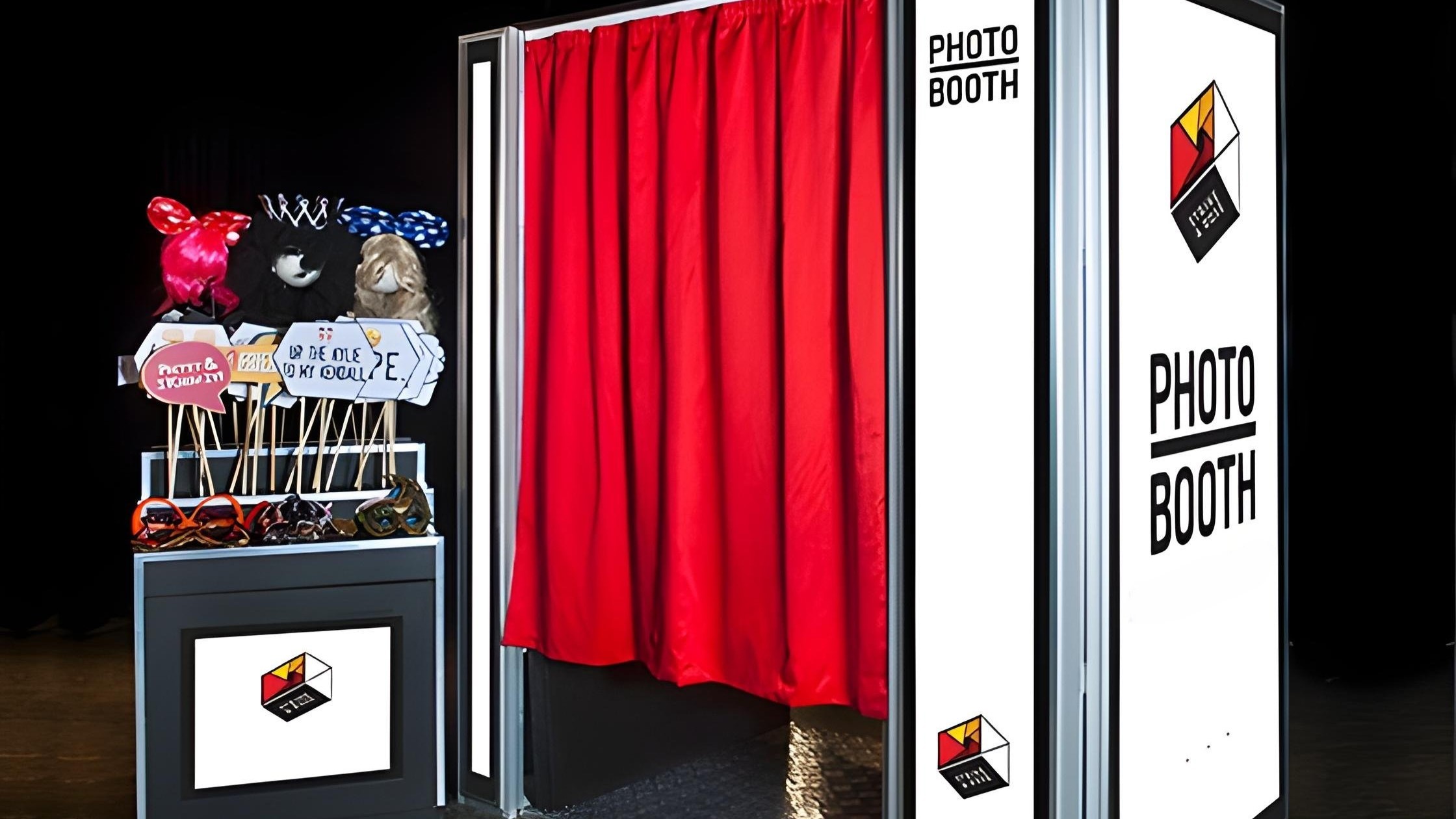
Ever been stuck wondering if that quick snap from a photo booth will cut it for your visa application? We’ve all been there—short on time, last-minute paperwork, and a photo booth around the corner looking like the easiest solution. But does convenience come with a catch? Let’s dive deep and unpack whether using a photo booth image for your visa is a smart move or a potential passport to rejection.
Why Is the Visa Photo So Important?
When applying for a visa, the photo you submit plays a far more critical role than just showing what you look like. It acts as your biometric identity, essentially a visual key that links you to your official documents. This photo is what immigration officers and border control agents rely on to confirm that the person presenting the visa or passport is truly the person who applied for it. In a way, this image becomes your face’s official stamp of approval, which is why it needs to be precise and unmistakable.
The importance of the visa photo extends beyond mere identification; it sets the tone for your entire application. A poor-quality or non-compliant photo can cast doubts on your attention to detail and credibility. Embassies and consulates often reject applications if the photo doesn’t meet their strict standards, as they cannot risk accepting a picture that could be confused or manipulated. Because of this, the photo serves as a form of security measure that prevents identity fraud and enhances the overall safety of international travel.
Moreover, the rules around visa photos are carefully crafted to balance clarity and uniformity. The requirements for size, background, lighting, and facial expression are all designed to create a consistent image that is easy to scan and verify across different systems worldwide. This consistency helps automated biometric systems and human agents alike to quickly and accurately match your photo to your face during travel, speeding up processing times and reducing errors. It’s not just about looking good in a picture; it’s about providing a clear, standardized representation of yourself.
Finally, the visa photo can sometimes be a dealbreaker in the application process. While you might think it’s just a small detail, failure to comply with the photo standards can lead to delays, extra costs, or outright rejection of your visa. Many applicants underestimate how crucial this small image is and end up having to redo their photos multiple times. So, investing a little effort to get it right the first time can save you a lot of headaches later on. In essence, your visa photo is your identity’s ambassador, and it deserves the utmost care and respect.
What Are the Typical Visa Photo Requirements?
Visa photos must meet very specific criteria to ensure they are accepted by embassies and consulates worldwide. Here’s a detailed list of the typical requirements your visa photo needs to satisfy:
- Photo Size:
The standard size is usually 2×2 inches (51×51 mm), but this can vary depending on the country and visa type. The photo must be printed or cropped precisely to these dimensions without distortion. - Head Size and Position:
Your head should occupy a specific portion of the photo frame, usually between 1 inch and 1 3/8 inches from the bottom of the chin to the top of the head. The face must be centered, looking straight at the camera with no tilt or turn. - Background Color:
A plain white or off-white background is mandatory. It should be free from any textures, shadows, patterns, or objects that might distract or interfere with facial recognition. - Lighting Conditions:
The photo should have even lighting, avoiding shadows on the face or background. No reflections, glare, or overexposed areas should be visible. The lighting must accurately represent natural skin tones without color distortion. - Facial Expression:
A neutral expression is required—no smiling, frowning, or raised eyebrows. The mouth should be closed, and eyes open and clearly visible. This consistency helps with identification. - Eye Visibility:
Eyes must be fully visible and not covered by hair or glasses glare. The subject should look directly at the camera with a clear view of both eyes. - Glasses Policy:
Many countries require no glasses in the photo. If glasses are allowed, they must be clear lenses without tinted or dark glasses. Frames should not cover the eyes or cast shadows. No reflections obscuring the eyes are permitted. - Headgear and Hats:
Generally, no hats, caps, or head coverings are allowed unless worn daily for religious or medical reasons. Even then, the entire face must remain visible from chin to forehead and ear to ear. - Clothing:
Normal, everyday clothing is recommended. Uniforms, camouflage, or clothing resembling uniforms are usually prohibited. Avoid colors that blend into the background or distract from the face.
Photo Booths: The Pros and Cons
| Aspect | Description | Advantages | Disadvantages | Impact on Visa Photo Quality |
| Convenience | Photo booths are widely available in public places such as malls, train stations, and airports. | Easy access wherever you go; no need to search for a studio. | Limited control over photo conditions due to location. | May result in rushed or imperfect photos due to surroundings. |
| Speed | Photos are produced instantly, often within minutes. | Ideal for last-minute or urgent visa photo needs. | Quick process may sacrifice attention to detail. | Fast but may overlook specific visa photo requirements. |
| Cost | Photo booths are generally cheaper than professional photography studios. | Affordable option for those on a budget. | Lower cost can mean less investment in equipment and quality. | Cheaper photos might fail strict visa photo standards. |
| Quality Control | Booths often have fixed lighting and backgrounds that may not meet official visa standards. | Consistent settings provide uniform results. | Lighting may cause shadows, reflections, or uneven background. | Poor lighting and backgrounds can lead to photo rejection. |
| Editing and Customization | Limited ability to adjust brightness, contrast, or correct photo flaws. | Simple process with no complex editing required. | No option to fix minor issues like shadows or size adjustments. | Lack of editing may result in non-compliant photos. |
| Pose and Expression | Harder to control facial expression and head positioning in a booth setting. | Some booths offer guidance or multiple shots. | Difficult to achieve the strict neutral expression required. | Incorrect pose or expression can cause visa photo rejection. |
Which Countries Accept Photo Booth Images?
Acceptance of photo booth images for visa applications varies significantly from country to country, reflecting differences in their security standards and photo requirements. Some countries are relatively lenient, allowing photo booth pictures as long as they meet specific quality and formatting guidelines. Others maintain very strict criteria, often requiring professionally taken photographs to ensure accuracy and consistency in identification. This variability means applicants need to carefully research the rules for their destination country before relying on a photo booth image.
For example, countries like Canada and India are generally more accepting of photo booth photos, especially if the booths are updated to meet official passport and visa standards. In these countries, many photo booths are designed or programmed to comply with size, background, and lighting requirements, making them a convenient and cost-effective option for travelers. However, even in these more flexible environments, the photos must still strictly adhere to the specified guidelines, or risk being rejected.
In contrast, countries such as those in the Schengen Zone and the United States take a much stricter stance. The Schengen countries, which include many European nations, demand very precise photographs with rigid rules about size, background, and image quality. Similarly, the US accepts photo booth images only sometimes and under stringent conditions—photos must meet exacting technical standards. The UK and Australia fall somewhere in between, accepting photo booth images occasionally, but with careful checks to ensure background uniformity and exact sizing, often pushing applicants toward professional photography to avoid delays.
Given this patchwork of acceptance, the best advice for travelers is to consult the official embassy or consulate websites for the country where the visa is being applied. These official sources provide the most accurate, up-to-date information on whether photo booth images are acceptable, and what specific requirements they must meet. Relying on outdated or incorrect assumptions can lead to application delays or even outright rejection, making careful preparation essential.
The Hidden Traps of Photo Booth Visa Photos
Photo booths may seem like a quick and easy solution for visa photos, but they come with a set of hidden challenges that can cause serious problems during your application process. Many of these issues arise from the booth’s fixed settings and limited control over important factors like lighting and composition. Here is a detailed list of common pitfalls that photo booth visa photos often suffer from:
- Shadowed Backgrounds: Photo booths frequently fail to produce a perfectly plain white or off-white background. Instead, the background may have unwanted shadows or uneven color patches that violate visa photo requirements, leading to photo rejection.
- Overexposure: Because booths have fixed lighting, faces in the photos can sometimes appear too bright or washed out. Overexposure removes important facial details, making it difficult for immigration officials or biometric systems to properly identify the applicant.
- Underexposure: Conversely, poor lighting in some booths can result in photos that are too dark, obscuring key features of the face. Underexposed photos lack clarity, which increases the chance of the visa photo being rejected for failing to clearly represent the applicant.
- Incorrect Head Size and Position: Visa photos require the face to be centered and of a specific size within the frame. Photo booths may produce images where the head is off-center, too large, or too small, which fails to comply with the strict framing guidelines set by visa authorities.
- Expression Issues: The automated nature of photo booths sometimes causes photos to be taken at the wrong moment, capturing blinks, slight smiles, or other unintended expressions. Since visa photos require a neutral expression with a closed mouth and open eyes, such flaws can be grounds for rejection.
- Glare and Reflections: Reflections from glasses or shiny surfaces are hard to control in photo booths. Glare can obscure the eyes or create bright spots on the face, which are not acceptable in official visa photos.
- Fixed Lighting Angles: Unlike professional studios that adjust lighting to minimize shadows and highlight facial features, booths often have a fixed setup that can create unflattering shadows or uneven illumination on the face.
- Limited Retakes: Many photo booths offer only a few quick retakes. This restricts the chance to correct small but critical issues like blinking, facial positioning, or head tilt that might lead to photo rejection.
- No Post-Processing Options: Photo booths generally do not provide editing capabilities. You cannot adjust brightness, crop precisely, or correct color balance, all of which are often necessary to meet visa photo standards.
How to Maximize Your Chances Using a Photo Booth
| Step | Description | Why It Matters | Tips for Success | Common Mistakes to Avoid |
| Know Your Visa’s Exact Photo Specs | Understand the required photo size, background color, head size, and other specific rules for your visa. | Ensures the photo meets official requirements and avoids rejection. | Check the embassy or consulate website for up-to-date specs before taking photos. | Using generic photo sizes or backgrounds that don’t comply. |
| Test Multiple Shots | Take several photos in the booth to select the best one that meets all criteria. | Increases the chances of capturing a clear, well-composed image. | Take advantage of retakes, try different poses, and review each image carefully. | Settling for the first photo without checking for flaws like blinking or shadows. |
| Check Lighting | Choose booths with good, even lighting and avoid those with colored or dim illumination. | Proper lighting ensures clear visibility of facial features and a uniform background. | Visit booths during daylight hours or inspect lighting before use. | Using booths with harsh shadows, colored lights, or poor illumination. |
| Use Editing Software | After capturing the photo, crop, resize, or adjust brightness digitally to fit visa specs. | Helps fine-tune the image to precisely meet size and quality standards. | Use trusted photo editing apps designed for visa photos. | Over-editing or altering facial features, which is not allowed. |
| Print Quality | Print the final photo on high-quality photo paper with sharp resolution. | High-quality prints prevent blurring or pixelation during submission or scanning. | Use reputable printing services or high-quality printers at home. | Printing on regular paper or using low-resolution printers that produce poor images. |
When to Skip the Photo Booth and Go Pro
Choosing between a quick photo booth snap and a professional studio photo can be a tricky decision, especially when your visa application is on the line. If you’re applying for a visa to countries with stringent photo requirements—such as the Schengen Area, the United States, or the United Kingdom—it’s often wise to bypass the photo booth entirely. These countries demand exacting standards for everything from background color and lighting to head size and facial expression. Any small mistake can lead to your application being delayed or outright rejected, so the stakes are high.
Professional photographers specialize in these precise standards. They understand the nuances of each country’s photo regulations and can tailor the session to meet those exact demands. From adjusting the lighting to ensuring the correct head positioning and expression, a pro studio provides a level of quality control that photo booths simply can’t match. Moreover, professionals often offer immediate feedback, allowing you to retake photos until they perfectly comply with visa specifications.
Another major advantage of going pro is the guarantee of acceptance. Many studios advertise their photos as guaranteed to pass visa checks, meaning if your photo is rejected, they’ll retake or refund it. This kind of assurance can be invaluable, especially when dealing with important travel plans where timing and accuracy are critical. While it might cost more and take a little extra time, this investment can save you from the headaches of application delays, rejections, and additional fees.
Finally, a professional studio experience gives you peace of mind. Knowing that your photo adheres strictly to official requirements means you can focus on other parts of your visa application without worrying about this small but crucial detail. In contrast, a photo booth—despite its convenience—can’t offer the same level of precision, making it a riskier choice for serious applicants. So, when accuracy matters most, skipping the photo booth and opting for a pro photographer is often the smartest move.