
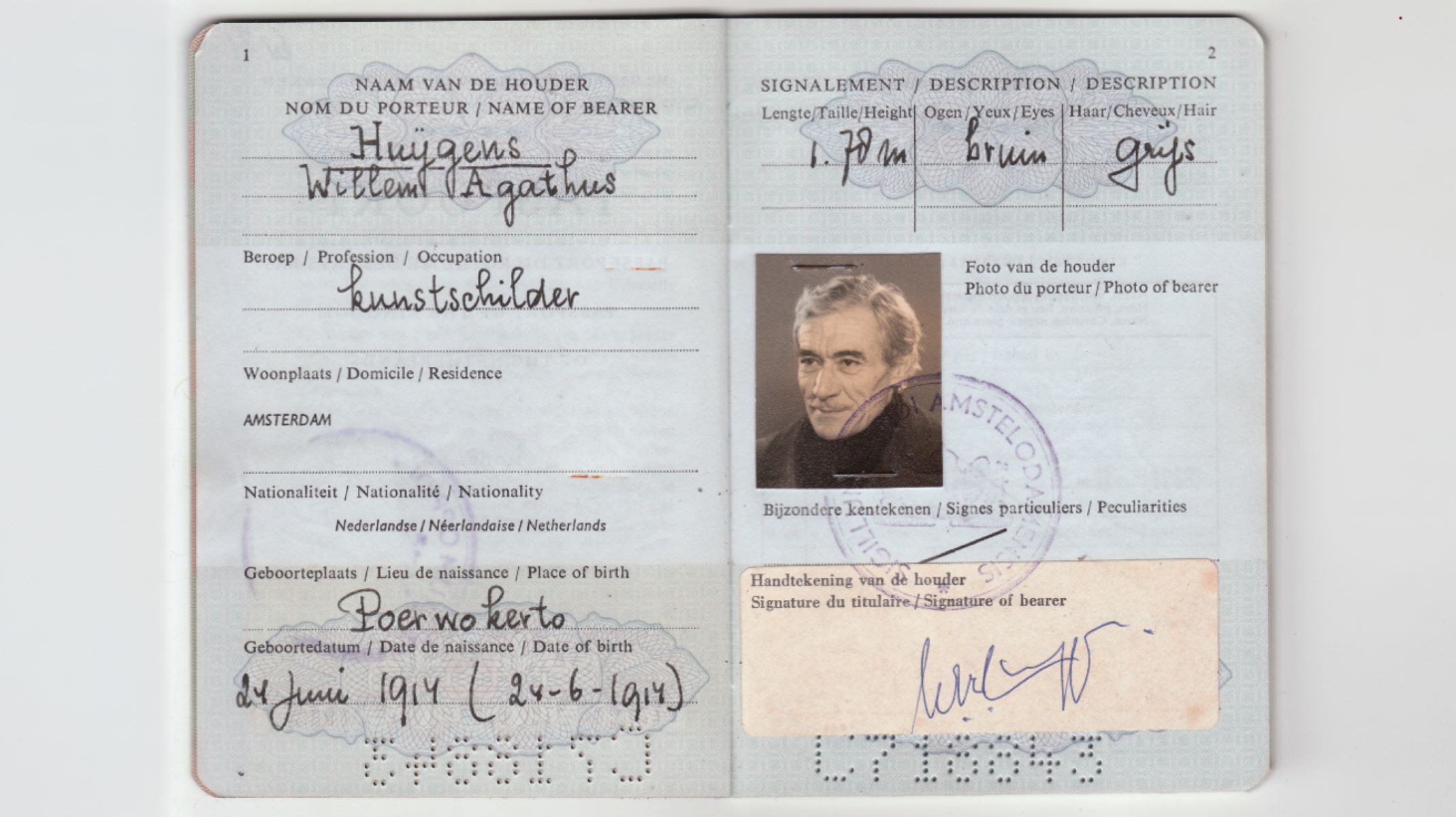
Have you ever wondered if your passport photo can be black and white instead of the usual color? Maybe you found an old photo or prefer that classic monochrome look. But does the government accept it? The answer might surprise you, and it varies depending on the country and the official guidelines. In this article, we’ll break down everything you need to know about passport photo color requirements — why color matters, the rules around black and white photos, and practical tips to get your passport photo right the first time.
Why Do Passport Photos Need to Be in Color?
Before we dive into whether black and white photos are acceptable, it’s important to understand why color photos are typically required for passports. The primary reason lies in how accurately a color photo can represent a person’s unique appearance. Skin tone, eye color, and hair color are all essential details that help officials and automated systems identify you quickly and correctly. Without color, many of these distinguishing features can be lost or misinterpreted, making it harder to verify your identity.
Color photos also play a crucial role in security measures. Modern border controls rely on sophisticated technology like facial recognition software that depends heavily on color information to detect any signs of tampering or fraud. A color image provides the depth and detail needed to spot inconsistencies that might otherwise go unnoticed in a black and white photo. This reduces the risk of identity theft and ensures that travelers are who they claim to be.
Another reason passport photos must be in color is the need for consistency across applications and countries. International travel requires a standardized approach, and most nations have agreed upon color photo requirements to avoid confusion. This uniformity helps passport processing centers streamline their work and minimizes errors during verification. If black and white photos were allowed, it would complicate the process and slow down the handling of millions of passports worldwide.
Think of your passport photo as your official ID card — it must represent you as clearly and accurately as possible. Trying to identify someone from a black and white image is like looking at a faded silhouette; important details are missing, making the whole task much more difficult. Color photos bring those details to life, ensuring that your identity is unmistakable every time you travel.
General Passport Photo Color Guidelines Worldwide
| Country | Color Photo Required? | Notes | Exceptions or Additional Details | Typical Background Color Requirements |
| United States | Yes | Strictly color photos only, black and white not accepted. | No exceptions; photos must show natural skin tone. | Plain white or off-white background mandatory. |
| United Kingdom | Yes | Color photo required for all passport and visa applicants. | Digital photos must also be in color. | Plain cream or light grey background preferred. |
| Canada | Yes | Only color photos allowed, with strict lighting standards. | Photos must show accurate skin tones and no shadows. | Plain white or light-colored background required. |
| Australia | Yes | Must be full color; no sepia, black and white, or filters. | Photos with colored backgrounds are rejected. | Neutral, plain white or cream background. |
| India | Yes | Color photos mandatory for passports and other official IDs. | Photos should reflect true skin tones without distortion. | Plain white background strictly enforced. |
| Germany | Yes | Color required, capturing natural skin tones and features. | Photos must be recent and unaltered. | Plain light grey or white background. |
| Japan | Yes | Only color photos accepted, with no excessive shadows. | Digital submission requires color images. | White or light background preferred. |
| Brazil | Yes | Color photos required with clear facial visibility. | Black and white photos are not accepted. | White or light blue background typical. |
| South Africa | Yes | Color photographs required for all travel documents. | Photos must not be retouched or enhanced digitally. | Plain white background mandatory. |
| Russia | Yes | Passport photos must be in color, showing natural tones. | No exceptions for black and white. | White or light-colored backgrounds are standard. |
Are Black and White Passport Photos Ever Allowed?
The short answer is that black and white passport photos are almost never accepted for modern passports. However, there are some rare exceptions and special cases where black and white photos might be allowed. Here’s a detailed list exploring all the scenarios where black and white passport photos could potentially be accepted:
- Historical Passport Issuance:
Many countries used to accept black and white photos in passports decades ago, especially before color photography became widely accessible and affordable. Passports issued during those times might still carry black and white photos, but these standards are no longer in effect for new applications. - Certain Types of Travel Documents:
Some identification documents other than full passports—such as visas, temporary permits, or refugee travel documents—may accept black and white photos depending on the country and specific regulations of the issuing authority. These documents often have more flexible photo requirements compared to passports. - Exceptional Medical or Technical Circumstances:
In rare cases where a color photo cannot be obtained due to medical reasons (e.g., certain skin conditions or sensitivities to lighting) or technical limitations (lack of access to color photography), some passport authorities might accept black and white photos as an exception. This usually involves submitting additional documentation and getting prior approval. - Countries with Less Strict Regulations:
Although extremely uncommon, some countries or territories with outdated or less enforced passport photo regulations might still accept black and white photos. This, however, is becoming increasingly rare as global standards tighten and biometric requirements increase. - Special Diplomatic or Government Issued Passports:
Some diplomatic or government-issued travel documents may have unique photo standards where black and white photos could be allowed depending on internal rules, but this does not apply to ordinary passports. - Emergency Travel Documents or Temporary Passports:
In emergency situations, where quick issuance of travel documents is necessary, some authorities may temporarily accept black and white photos to expedite processing. These are usually valid for a limited period and replaced later with standard color photo documents.
Why Black and White Passport Photos Can Cause Problems
Imagine arriving at the airport with a passport featuring a black and white photo instead of the usual color one. The first issue you might face is the rejection of your passport application itself. Passport authorities almost always require color photos to process new applications, and submitting a black and white image can lead to outright refusal. This means you’d have to start the process all over again, wasting time, money, and possibly missing important travel plans.
Even if, by some chance, the passport office accepts a black and white photo initially, complications are likely to arise during the verification stage. Color photos provide vital information such as natural skin tone and eye color, which help officials confirm your identity accurately. Without this information, the verification process can become prolonged and more complicated. This delay might push back the issuance of your passport, creating unnecessary stress and inconvenience.
When it comes to actual travel, having a black and white passport photo can cause serious headaches at border control. Officers rely heavily on color images to quickly match travelers with their identification. A black and white photo may raise suspicion or confusion, prompting additional checks or questioning. In some cases, it might even result in being denied entry or detained until your identity can be confirmed through other means, which is the last thing any traveler wants.
At its core, submitting a black and white passport photo is like trying to navigate with a blurry, incomplete map — it simply doesn’t provide enough detail to get you where you need to go smoothly. The color in your passport photo is not just for aesthetics; it’s a crucial part of proving who you are in a fast-paced, security-focused world. Without it, you’re likely to encounter obstacles that can easily be avoided by using a proper color photograph.
Country-Specific Rules: Black and White Passport Photos
| Country | Black and White Photos Allowed? | Official Policy Summary | Consequences of Submitting B&W Photo | Additional Notes |
| United States | No | The U.S. Department of State requires color photos that accurately represent appearance. Black and white photos are never accepted. | Application will be rejected outright. | Photos must reflect natural skin tone and eye color. |
| United Kingdom | No | UK Passport Office explicitly prohibits black and white photos for both passports and visas. | Application or visa request will be denied. | Digital and printed photos must be clear, color images. |
| India | No | Indian passport guidelines mandate color photos with natural skin tones. Black and white photos cause automatic rejection. | Application will not be processed and returned for resubmission. | Strict background and lighting standards apply. |
| Canada | No | Canadian passport regulations specify color photos only, emphasizing natural colors and proper lighting. | Black and white photos lead to delays or rejection. | High emphasis on photo quality and facial clarity. |
| Australia | No | Australian passport authorities require color photos; black and white or sepia tones are not accepted. | Submission of B&W photos results in application rejection. | Photos must be recent and unaltered. |
What If You Only Have a Black and White Photo?
If the only photo you have is black and white, don’t worry — there are several steps you can take to fix the situation and ensure your passport application meets the official requirements. Here’s a detailed and comprehensive list of what you should do:
- Get a new photo taken by a professional photographer who is familiar with passport photo specifications. They will ensure the photo meets all requirements like size, background, lighting, and, importantly, color accuracy.
- Visit a dedicated passport photo booth if available near you. These booths are designed to produce compliant color photos quickly and affordably.
- Use a good quality digital camera or smartphone to take a new color photo yourself, following the official passport photo guidelines. Make sure to have proper lighting, a plain background, and no shadows.
- Avoid scanning or uploading your existing black and white photo as a color image because scanning won’t add color information, and submitting a grayscale photo is not accepted.
- Do not attempt to colorize or digitally alter the black and white photo using software or apps. Such edits often look unnatural and can cause the application to be rejected.
- Check your country’s official passport photo guidelines online. Many government websites provide detailed instructions and examples of acceptable photos, which can help you take a correct color photo at home.
- Use official online photo checking tools, if available, to verify that your photo meets the color, size, and other technical requirements before submitting your application.
- If you’re in a remote area or have difficulty accessing professional services, follow step-by-step tutorials for taking passport photos at home with a smartphone or digital camera, ensuring color accuracy.
- Make sure your photo background is plain white or off-white as required, and that the lighting captures your natural skin tone without shadows or color distortions.
- If you face urgent travel needs and cannot get a new color photo immediately, contact your passport office to explain the situation. They may offer temporary solutions or advice, although this is uncommon.
How to Take the Perfect Passport Photo in Color
Taking the perfect passport photo in color might seem straightforward, but it requires careful attention to certain details to meet official standards. First and foremost, the background should be plain and light-colored, typically white or off-white. This neutral backdrop ensures that your face stands out clearly without distractions. It’s important that there are no patterns, objects, or shadows in the background, as these can cause your photo to be rejected.
Your face must be fully visible and positioned squarely facing the camera. Maintaining a neutral expression—meaning no smiles, frowns, or raised eyebrows—is essential. This allows officials to easily recognize and verify your identity. Avoid tilting your head or turning it to the side, and make sure both eyes are open and clearly visible. Any obstruction, such as hair falling over your face, should be avoided.
Lighting plays a critical role in capturing natural skin tones and avoiding unwanted shadows or glare. Use soft, even lighting that illuminates your face without harsh contrasts or reflections. Avoid taking photos in direct sunlight or dimly lit rooms, as these conditions can distort colors and facial features. The goal is to produce a clear image that reflects your true appearance without any artificial enhancements or filters.
Finally, avoid wearing hats, sunglasses, or any accessories that might obscure your face, unless they are worn for religious or medical reasons and are specifically permitted. Your clothing should contrast with the background but not be too flashy or distracting. Keeping these points in mind will help you take a passport photo that is compliant with official requirements and smooths the path for your passport application.